The Future Workforce: Getting Ready with Human-Robot Interaction Skills
As we step into an era where tech increasingly intertwines with our everyday lives, the value of skills for interacting with robots cannot be overstated. The swift development in robot technologies with AI transforms industries, making it crucial for individuals to comprehend how to interact effectively with as well as create these advanced intelligent technologies. This kind of course on Human-Robot Interaction is designed to provide students with essential knowledge and competencies necessary to navigate the changing environment, eventually prepping them for an upcoming era where cooperation among people and robots is the norm.
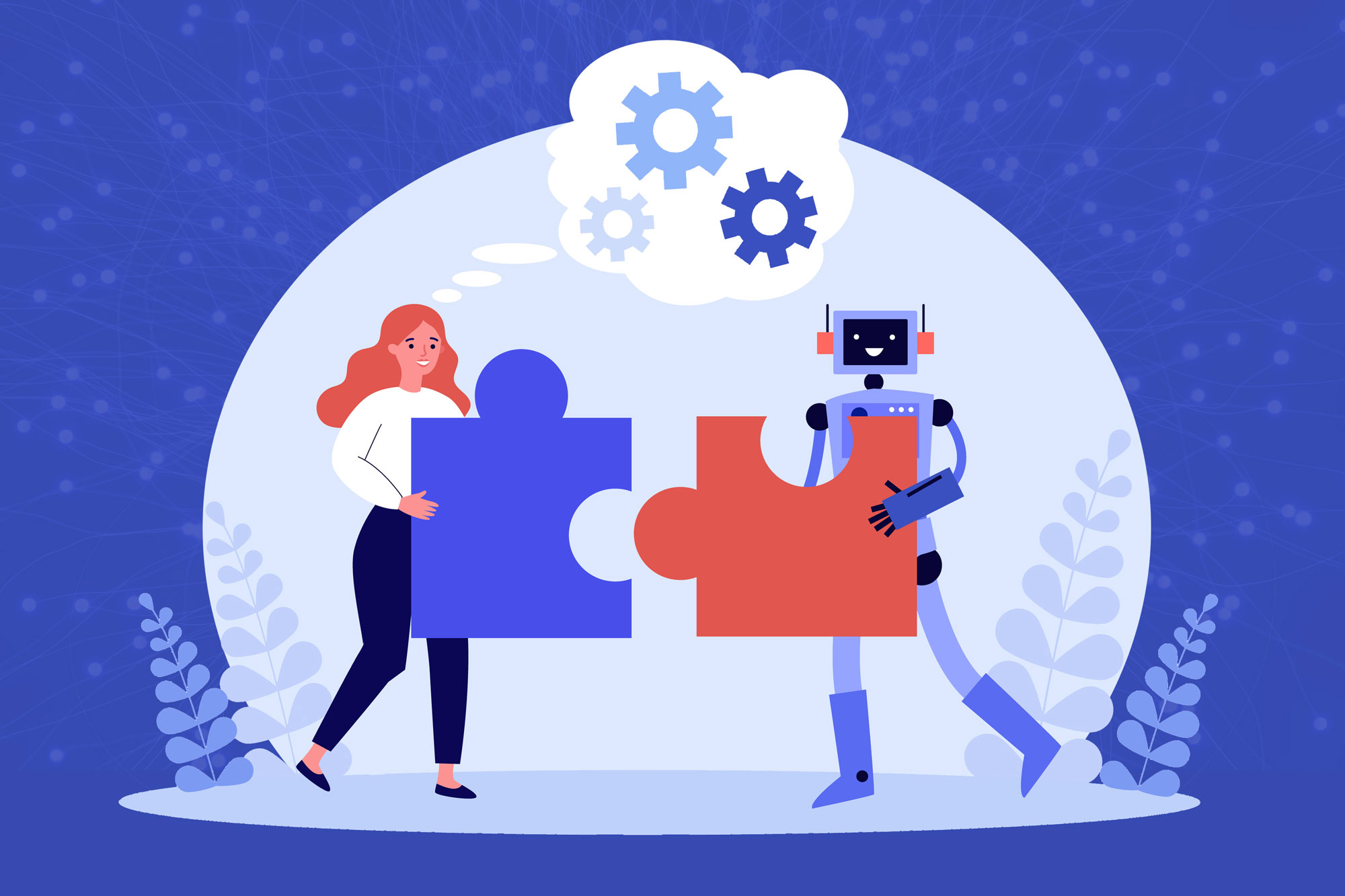
In this article, we will explore what exactly is involved in a Human-Robot Interaction course , the key skills you will learn, and how enrolling in these courses can position you at the forefront of technological innovation. Whether you're a beginner seeking to begin this thrilling adventure and a specialist aiming to enhance your expertise, gaining insight into the essential concepts and the perks of these courses can help you to make a positive move to master the practice of working with robots.
Key Skills Learned in Human-Robot Interaction
A Human-Robot Interaction course trains students with essential skills that are increasingly vital in the current technology-driven world. Learn Physical UX of the main skills learned is clear communication among humans and robots. This includes understanding how to design interfaces that allow for seamless interaction, enabling users to control and cooperate with robots effortlessly. Mastering these communication techniques is essential for guaranteeing that robotic systems can be understood and used by their human counterparts.
In addition to communication, students also gain a robust foundation in programming and software development related to robotic systems. Proficiency in languages such as Python is commonly emphasized, allowing learners to construct and adapt robotic behaviors. This technical skill is essential for creating adaptive systems that can adapt to human inputs in real-time . Understanding the basics of coding and algorithms aids foster innovation in developing new applications for human-robot collaboration.
Finally, students explore the social implications surrounding human-robot interactions, which is becoming ever more relevant as robots become ubiquitous in society. This includes discussions on privacy, discrimination in AI algorithms, and the societal impacts of automation. By exploring these ethical concerns, students are well prepared to make thoughtful decisions in their careers, ensuring that advancements in robotics encourage positive outcomes for society as a whole.
Getting Ready for the Next Workforce
As the landscape of work keeps to change, the adoption of robots and automation in various industries is becoming common. A Human-Robot Interaction class equips individuals with necessary skills to maneuver through this emerging terrain effectively. Learning how to communicate and work together with robots is vital, as these systems are designed to support and boost human capabilities, rather than substitute them. The course not only teaches specialized skills but also emphasizes social skills critical for successful interaction with automated systems.
Students in a Human-Robot Interaction class will investigate topics such as the creation and capabilities of robots, human-centered design principles, and the cognitive aspects of interaction. Mastering these areas prepares individuals for a wide array of roles in sectors like healthcare, manufacturing, and support industries, where robots are becoming common. Additionally, the course develops critical thinking and problem-solving skills that are essential for addressing issues posed by new technologies.
In addition to practical competencies, a Human-Robot Interaction class highlights the significance of ethics and social responsibility as technology develops. By examining the effects of robotic integration, participants become supporters for responsible technology use, ensuring that human values remain at the heart of innovation. This integrated approach not only prepares learners for short-term job prospects but also positions them as innovative leaders who can shape the upcoming of work amid rapid technological change.
Choosing the Right Course
As you picking a HRI course, it is essential to think about the course's content and focus. Look for programs that include key topics such as designing user experiences, robotic systems, and team-based systems. Assess the syllabus to ensure it fits with your preferences and future plans. Take note of any hands-on projects included in the course content, as practical experience is essential in this domain, allowing you to use theoretical knowledge in real-world situations.
A further important consideration is the method of the course. Decide if you favor the freedom of online learning or the interactive experience of in-person classes. Online courses offer ease and the ability to study at your own rhythm, while in-person sessions can offer direct interaction with teachers and peers, fostering collaboration. Additionally, verify the provision of facilities, such as lab facilities and mentorship opportunities, which can enhance your learning experience.
In conclusion, consider the standing of the school offering the class. Research top colleges known for their robotics programs programs, as well as any industry partnerships that may boost your training and future job prospects. Checking testimonials and stories from previous participants can provide information into the effectiveness of the program. Making an informed decision will will help you choose a curriculum that best readies you for a role in this changing field.