Robot Companions: Examining The Relationship Between Humans and Robots
In a world increasingly intertwined with technology, the concept of human-robot interaction has gained notable significance. As robots move from factory floors to houses, companion roles, and even healthcare settings, comprehending how we connect with these intelligent machines becomes essential. A Human-Robot Interaction course offers an illuminating exploration of this dynamic field, equipping learners with the tools to forge meaningful relationships between humans and robots. Robotics UX design training covers the mechanical aspects of robotics but delves into the emotional and ethical factors of designing interactions that encourage ease and safety.
Whether you are a tech enthusiast, a creator, or someone curious about the future of human relationships with machines, this course paves the way for a realm of opportunities. From basic concepts to advanced topics, a Human-Robot Interaction course equips students for a quickly evolving landscape, aiding them grasp the intricacies of creating robots that are intuitive, empathetic, and adaptive. As Learn Physical UX and more rely on these robo-companions, the knowledge gained from this course becomes invaluable in molding the future of technology and its coexistence with humanity.
Importance of Human-Robot Collaboration Programs
Human and robot collaboration courses are important in narrowing the divide between technology and human interaction. As automated systems become increasingly integrated into everyday activities, understanding how people view and engage with these technologies is crucial. These courses equip students with the knowledge and abilities to design and implement efficient interaction strategies, ensuring that robots serve as helpful companions to humans rather than sources of annoyance or confusion.
In addition, these programs stress the importance of communication between people and machines. A deep grasp of the nuances of people's actions, feelings, and interpersonal signals is crucial for creating robots that can respond appropriately to different contexts. This fosters the development of more intuitive interactions, enhancing user experience and embrace of robotic technologies in both personal and workplace environments.
Ultimately, human-robot interaction courses foster innovation and analytical skills among students. By investigating the moral considerations and effects on society of robot technology, learners are better prepared to tackle future challenges in technology. This comprehensive approach ensures that graduates are not only skilled in technology but also sensitive of the wider consequences of their work, which contributes to the ethical advancement of robotic systems in the community.
Key Skills and Benefits of Learning
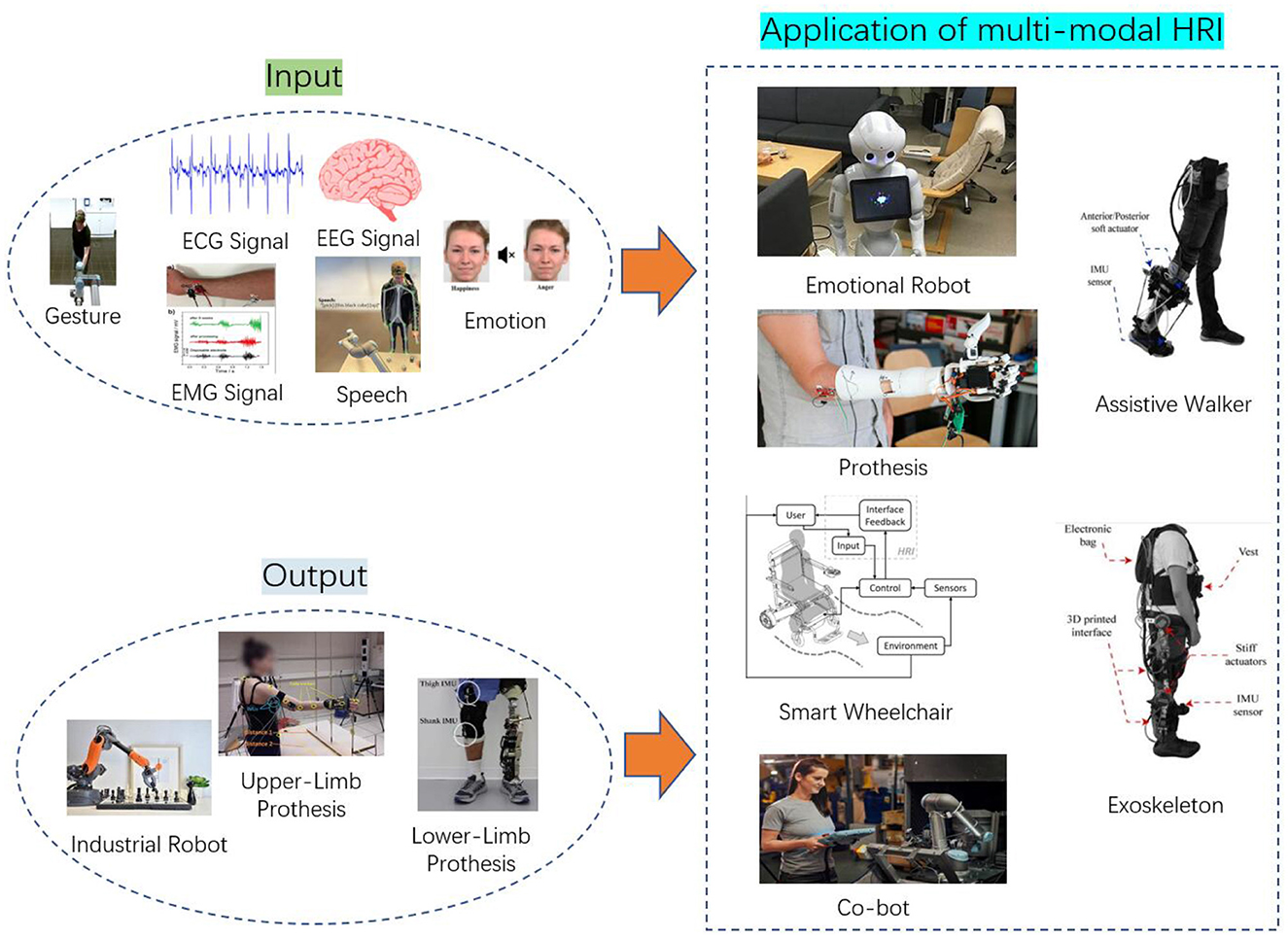
A Human-Robot Interaction course furnishes students with critical skills that combine technology and human psychology. Grasping user experience is crucial; students learn how to develop robots that not only execute tasks but also engage in ways that seem organic and stimulating to humans. This interdisciplinary approach enhances problem-solving abilities and critical analysis skills, as learners must consider both technical specifications and human behavior when designing robotic systems.
In addition to technical knowledge, participants in these courses gain insight into communication strategies between humans and robots. Skills such as understanding, forbearance, and flexibility are stressed, as they are crucial for cultivating positive interactions. By the end of the course, students will be proficient at creating interfaces and interactions that increase user satisfaction and ultimately boost the effectiveness of robotic companions in diverse settings.
Moreover, the benefits extend beyond immediate employment prospects. Understanding the nuances of human-robot interaction prepares learners for future technological advancements and societal changes. As robotics continues to integrate into daily life, individuals prepared with these skills will be essential in molding the future of work and social engagement, making them invaluable assets in any innovative environment.
Prospective Professional Opportunities in Human-Robot Interaction
The field of HRI is rapidly evolving, creating a range of career opportunities for individuals skilled in this field. As robots become more integrated into daily life, fields such as medical services, manufacturing, and client relations are increasingly in need of specialists who can enable efficient conversational interface between people and robots. Jobs such as robot interaction designer, programmer for robotics, and user experience researcher are becoming essential as organizations aim to enhance the usability and effectiveness of automated systems.
Additionally, organizations are recognizing the importance of comprehending human interactions in the context of automated systems. Career paths in studies of behavior, intelligent robotics, and even ethical considerations for robot deployment are emerging. Individuals who can assess engagements and develop systems to boost user engagement will be in strong demand, as the successful implementation of machines hinges on their ability to work cooperatively alongside people.
Lastly, academia and research institutions are also searching for professionals in HRI to extend the frontiers of knowledge in the field. Positions for further study and academic roles are numerous, allowing individuals to participate to developments in artificial intelligence, computational learning, and robot technology. As the field continues to progress, those with a expertise in Human-Robot Interaction will find themselves at the forefront of progress, molding how society engages with automated helpers in the years to come.