Creating Relationships: An Craft of Human and Robot Engagement
In an age where technology is progressing at an unparalleled rate, the intersection of human and robotic interaction has emerged as a critical field of study. Human-Robot Interaction courses provide an indispensable foundation for anyone looking to interact with the rapidly evolving realm of robotics. These courses explore the foundations and practices that dictate how people and robots can communicate and collaborate effectively, emphasizing the importance of this synergy in modern technology.
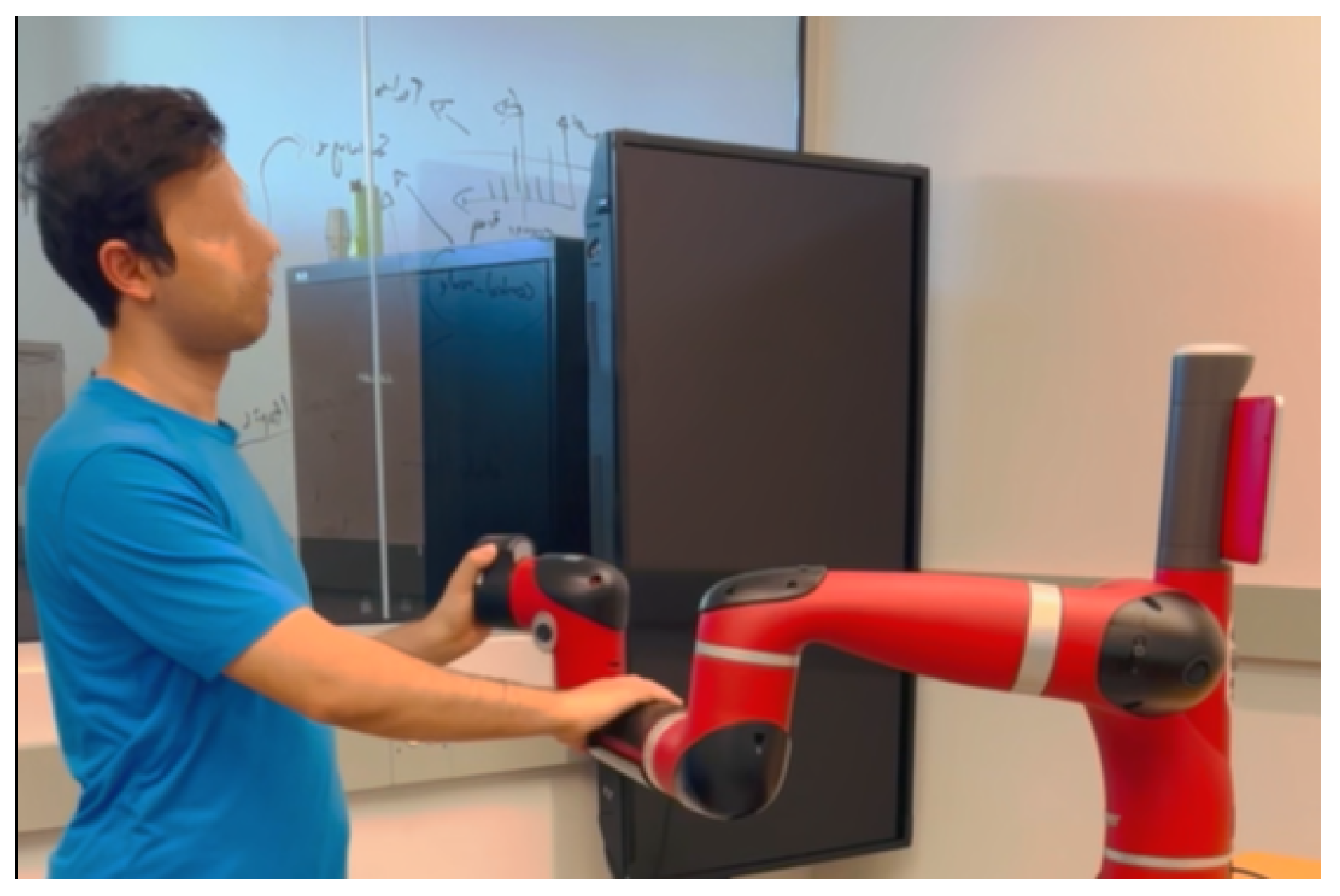
With the rise of more automated systems in our daily lives, comprehending how to design and develop interactive robots is increasingly important. From enhancing customer service with smart chatbots to developing robotic companions that assist the elderly, the applications are virtually limitless. https://telegra.ph/Exploring-the-Fresh-Horizon-A-Detailed-Examination-at-Human-and-Robot-Engagement-Classes-03-25 will explore what a Human-Robot Interaction course entails, the abilities you can anticipate to gain, and how these programs prepare you for a world where technology enhances our human experience.
Summary of Human-Robot Interaction Programs
Human-Robot Interaction (HRI) courses focus on explore the relationship between individuals and machines, focusing on how these interactions can be enhanced for different uses. As technology becomes increasingly integrated into daily life and work environments, grasping this relationship is essential. HRI courses typically include a variety of subjects, including robotic social behaviors, design focused on user experience, and the ethical challenges of robot deployment in the community. By integrating technology with human considerations, these programs aim to equip students to design systems that enhance the user interaction.
The competencies you develop in an HRI course are diverse and relevant to different areas such as design, user experience, human behavior study, and AI. Students are taught to assess user requirements, develop effective dialogue techniques between humans and robots, and design intuitive interfaces. Additionally, there is a strong emphasis on collaborative learning, offering learners the possibility to partner with classmates from different backgrounds. This blend of practical and interpersonal skills sets HRI apart as a crucial area of education in the current tech environment.
Additionally, HRI courses often feature hands-on projects that provide real-world experience in developing mechanical assistants that communicate with humans. This hands-on element is important, as it permitted participants to utilize theoretical knowledge to practical circumstances, promoting new ideas and problem-solving skills. Whether taught online or in-person, these programs influence the evolution of technology by preparing learners with the skills to create robots that function efficiently and compassionately in cooperation with users.
Competencies and Benefits of HRI Programs
HRI courses provide participants with essential skills that link technology with human understanding. Learn Physical UX gain knowledge to create interfaces that enhance the engagement between humans and robots, ensuring user-friendliness and accessibility. Core competencies include comprehending UX design, programming robots for collaboration, and creating algorithms that enable robots to comprehend human responses. These skills are essential in a world increasingly populated by autonomous systems.
The advantages of taking a HRI program extend beyond technical expertise. Participants obtain insights into the ethical considerations surrounding automated systems, preparing them to face social consequences and issues head-on. This well-rounded understanding fosters responsible innovation, inspiring future workers to develop technology that enhance all individuals. Additionally, hands-on projects and actual applications allow participants to apply their skills in practical settings, enhancing their understanding.
Participating in a HRI program opens up numerous job prospects in diverse fields such as medical, learning environments, and entertainment. Graduates are ready for roles in creating adaptive systems, developing engaging products, or building machines for service industries. Moreover, as industries continue to adopt robotics, the demand for skilled individuals who understand both the technical aspects and user experience of HRI will only expand, making this an invaluable area of study.
Career Opportunities and Emerging Trends
Finishing a HRI course opens numerous career doors across multiple sectors. Completers often find roles as human interaction designers, robotics developers, artificial intelligence experts, or interaction researchers. These positions are in high demand as businesses increasingly incorporate robots into routine activities, spanning healthcare assistance to automated customer service. The competencies learned in such courses make graduates key contributors to companies looking to boost human-robot collaboration.
The upcoming trends of human-robot interaction are constantly evolving, with advancements in machine intelligence and algorithmic learning driving advanced functionalities. As robots become more sophisticated in interaction and comprehension, professionals trained in human-robot interaction will position themselves at the forefront of developing intuitive systems that can seamlessly blend into workspaces. These innovations will likely shape how we live and operate, prompting additional employment options and collaborative efforts.
Furthermore, ethical considerations and user-focused design will be important in the next of robotic collaboration. Classes focusing on these dimensions prepare students to address the societal implications of robotic technology and design systems that prioritize security and the user journey. As companies look to suitably embed robotic systems in their activities, talented professionals will be vital in guiding these changes to guarantee they are advantageous and fair for the community.