Connecting the Difference: Exploring Human-Robot Interaction
In a universe increasingly influenced by technology, the interaction among individuals and machines has turned into a crucial area of inquiry. HRI programs are developed to examine this captivating interaction, centering on how humans interact and collaborate with robotic systems. As robots continue to permeate various dimensions of our daily lives—ranging from manufacturing and healthcare to education and home environments—a thorough understanding of HRI is necessary for anyone wishing to work with or create these technological advancements.
These classes offer a special blend of practical skills and human-centric design theories, preparing learners to efficiently pilot the complexities of this evolving field. Whether you are a novice eager to learn about the fundamentals or a experienced professional wanting to broaden your expertise, HRI programs cover a variety of topics that shed light on the foundations behind effective human-robot collaboration. As we delve the relevance of these programs, we will highlight the competencies acquired, the career opportunities available, and the effect of HRI on upcoming advancements in technology.
Summary of Human-Robot Interaction Courses
HRI courses delve into the interdisciplinary domain that merges components of automation, AI, psychology, design, and social interaction. Learn Physical UX aim to enhance a clearer grasp of how people and robots can effectively work together and communicate. In an time where automation are increasingly integrated into everyday activities, understanding the interactions of human-robot connections has grown in importance.
By registering in an HRI class, students will acquire knowledge into the theoretical foundations and practical uses of robots in the community. The curriculum often covers essential topics such as user interface design, robot ethics, and the psychological aspects of relations with technology. Students embark on experiential projects that enhance their educational journey, encouraging them to create solutions that enhance the partnership between humans and robots.
As the technological landscape evolves, the relevance of HRI programs continues to expand. Experts equipped with expertise in this area will discover they are in need across various sectors such as health services, manufacturing, and customer service. These courses prepare learners for upcoming challenges in technology and offer essential competencies that will be applicable in creating and overseeing interactions with advanced robots.
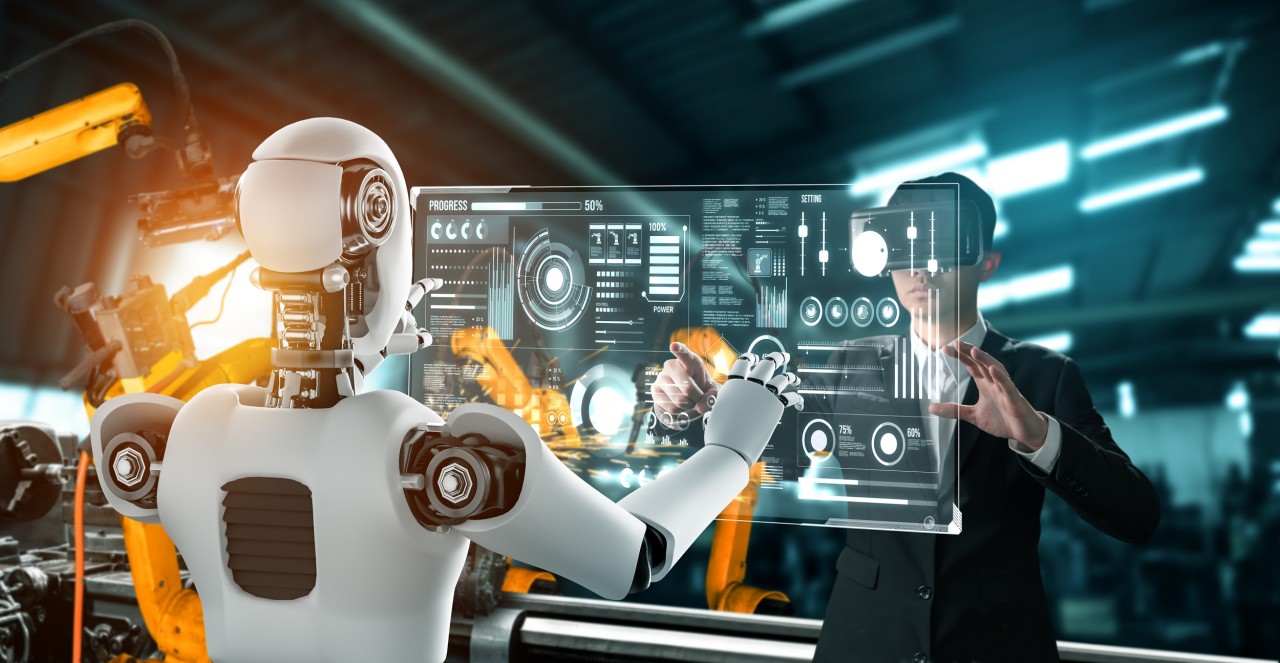
Essential Skills and Advantages
A Human-Robot Interaction course provides students with critical skills that bridge the gap between technology and UX. Participants will acquire to create, prototype, and assess robotic systems while guaranteeing they are user-friendly and functional. Key abilities include comprehending human behavior in interaction contexts, programming for robotics, and applying user-centered design methodologies. These capabilities are necessary for building robots that can collaborate seamlessly with humans in various environments, from medical care to industry.
Taking a Human-Robot Interaction course offers several advantages beyond technical skills. Students enhance analytical and critical thinking abilities, crucial for tackling challenging challenges in robotics. They also obtain insights into the ethical considerations surrounding robotics, readying them to make informed decisions about the impact of their work. Additionally, practical experiences through practical projects enable learners to apply theoretical concepts, strengthening their understanding and enhancing their job prospects in the rapidly evolving tech landscape.
Furthermore, participants gain from access to interdisciplinary practices, merging aspects of computer science, psychology, design, and engineering. This holistic framework promotes innovation and adaptability, traits that are crucial in today's job market. Graduates emerge with a diverse skill set that not only readies them for immediate roles in diverse industries but also nurtures a long-term capacity for growth and learning as technology moves to advance.
Future Career Prospects
As robotic technologies keeps to evolve and merge more seamlessly into diverse industries, the demand for professionals proficient in human-robot interaction is increasing. Students of human-robot interaction courses can anticipate to find positions in fields such as medical, manufacturing, and entertainment, where robots increasingly support humans in daily tasks. The skill to design, develop, and assess interactions between humans and robots is critical for creating intuitive and effective robots that meet the needs of users.
Moreover, as automation becomes a fundamental aspect of contemporary business operations, organizations are looking for individuals who not only possess technical expertise but also understand the ethical implications and user experience associated with robots. This combination opens doors for career paths in UX design, robot research, and systems engineering, where workers can lead groups that create user-friendly robots that boost productivity and improve quality of life.
In addition to traditional employment opportunities, the evolving environment of human-robot interaction also encourages entrepreneurship and creativity. https://hriacademy231.werite.net/exploring-the-innovative-horizon-a-in-depth-examination-at-human-and-robot equipped with specialized expertise can launch their ventures, creating new solutions and services that leverage the power of robotics. By remaining on the forefront of technology and user engagement, those who finish a robot-human interaction course will be well-prepared to contribute to the future of this vibrant area.