Advancement Encounters Education: Revolutionary Robot-Human Communication Classes
Within today's swiftly changing tech sector, the convergence of scholarship and creativity is more important than ever. Human-Robot Interaction courses are arising as a key part of this development, bridging the gap between humans and machines in ways that were previously the domain of science fiction. As machines become progressively embedded into our everyday lives, comprehending how to create, understand, and improve this connection is imperative. Whether you are a tech aficionado, a creator, or an educator, investigating the fundamentals and nuances of Human and Robot can open up new opportunities for creativity and solving problems.
Such courses merely instruct essential competencies related to robotics and AI but also highlight the significance of ethics, UX, and the social impacts of technology. By engaging in hands-on projects and collaborating on real-world challenges, students gain realistic experience that prepare them for a time where partnerships with robots is the standard. With a variety of courses provided, from novice to expert levels, individuals can find a class that fits their aspirations and career aspirations, rendering this an thrilling and opportune area of study for those interested in shaping the upcoming of the tech world.
Grasping Human-Robot Interplay Courses
Human-Robot Interaction courses center around the multidisciplinary study of interaction between humans and robots. Such courses integrate aspects of robotics, AI, behavioral science, and design to investigate how people can efficiently interact and collaborate with machines. As technological advancements advances, the necessity for professionals who comprehend the nuances of HRI increases increasingly essential, making these courses particularly pertinent in today’s academic environment.
The success of these courses is rooted in their practical approach, often blending theory with practical projects. https://pad.geolab.space/s/prK9HjGid engage in real-world scenarios where they create, construct, and develop robots to interact with humans effectively. This experiential experience helps them understand the complexities involved in developing intuitive and intuitive robotic systems that enhance user experiences in various contexts, such as medical care to manufacturing.
Moreover, HRI courses serve a critical part in equipping learners for the upcoming job market. As automation keeps on transforming industries, a solid understanding of human-robot interactions will be crucial. Graduates of these courses can anticipate to discover diverse career opportunities, ranging from robot design and coding to research and innovation in human-centric technologies, which ultimately contributes to the evolution of smart technologies and their applications in common activities.
Crucial Skills and Professional Opportunities
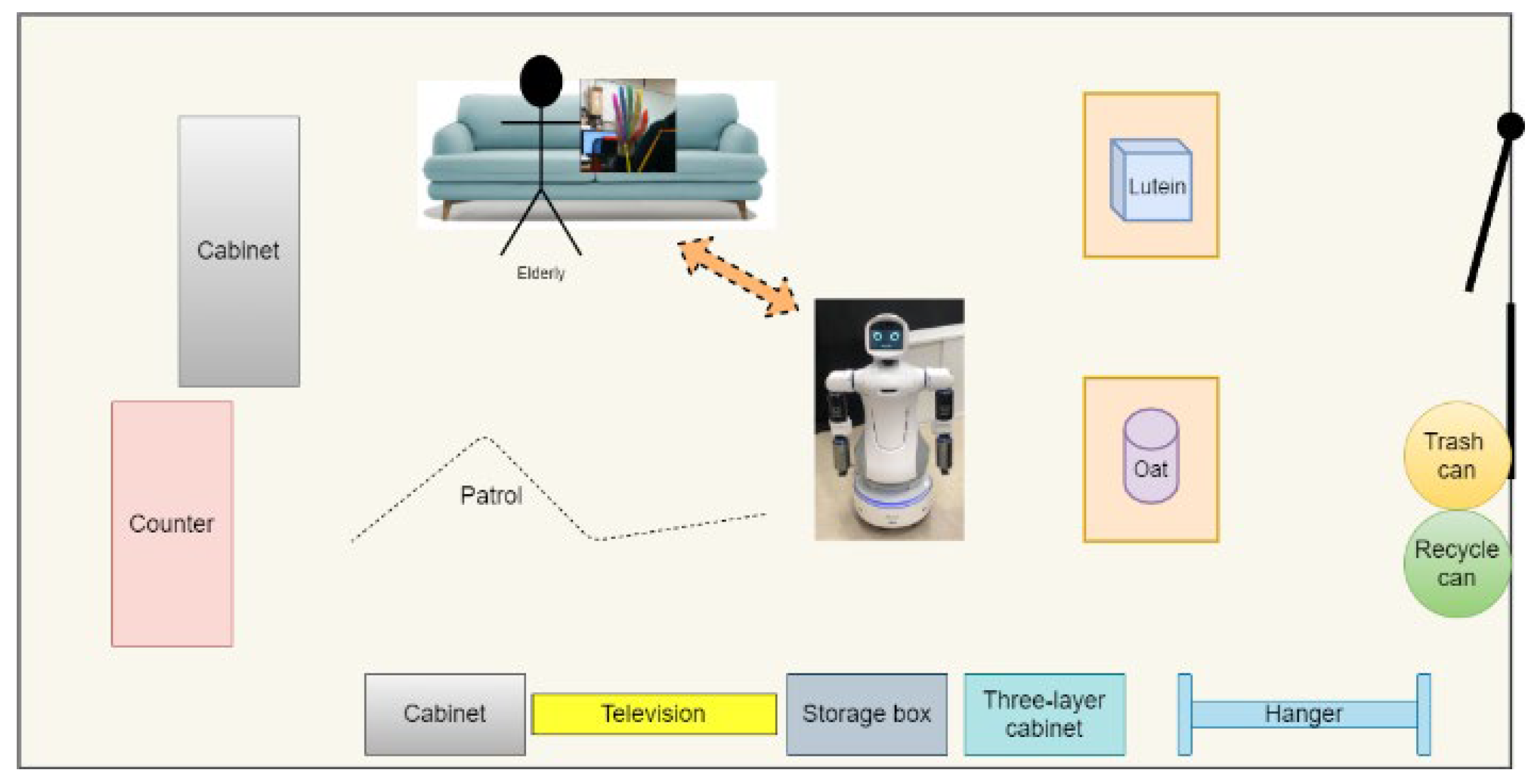
A Human-Robot Interaction course provides students with a wide-ranging set of abilities that are more and more significant in today's tech-oriented world. Students are taught to create and evaluate platforms that facilitate efficient communication between humans and machines. HRI certification in programming, user experience design, and cognitive psychology are essential, allowing completers to understand how humans interpret, connect, and collaborate with robots. Additionally, knowledge in AI and machine learning is crucial, as these technologies have a significant function in improving human-robot interaction.
Professional prospects for those who complete a Human-Robot Interaction class are hopeful and multifaceted. Graduates can pursue roles in innovation, focusing on advanced robotics in fields such as healthcare, manufacturing, and support. Roles may include UX designers for robots, robotics engineers concentrating on people-centric designs, or project managers managing interdisciplinary teams centered on advanced automation solutions. The demand for specialists who know both the technological and social aspects of human-robot collaboration continues to expand.
Additionally, the distinct expertise gained from a Human-Robot Interaction course prepares participants for new roles driven by progress in automation and AI. As numerous industries embrace automation to enhance efficiency and efficiency, specialists who can bridge the chasm between tech and user experience will be necessary. Engaging in collaborative collaboration is emerging the standard, making this instruction highly useful across multiple areas, including healthcare, teaching, and leisure.
Picking the Best Course
As you selecting a Human-Robot Interaction course, it is important to consider your current skill level and future aspirations. Novices might benefit from courses that deliver foundational knowledge and practical applications, while experienced learners should look for programs that delve into specialized topics and advanced concepts within the field. Identify what skills you want to develop, whether it's programming, design, or ethical considerations in robot interaction, and select a course that aligns with those goals.
A further key factor is the format of the course. Virtual courses give flexibility and accessibility, allowing you to learn at your own pace. Face-to-face courses, on the other hand, offer hands-on experiences and direct interaction with instructors and peers. Depending on your learning style and schedule, you might choose one format over the other. Assess how each option fits into your life and select what works best for you.
At last, research the institutions providing Human-Robot Interaction courses. Look for universities or organizations with reputable programs, experienced instructors, and industry connections. Reviewing reviews and alumni testimonials can provide insights into the quality of education you can expect. The right course can greatly enhance your knowledge and career opportunities in this rapidly evolving field, so make the effort to identify the optimal fit for your needs.